
€12.00 – €15.00
Patterns in Emptiness
Teachings on ‘dependent origination’, which is the key to understanding the teachings of the Buddha and transforming our disturbing emotions into true wisdom and compassion
Meet The Author

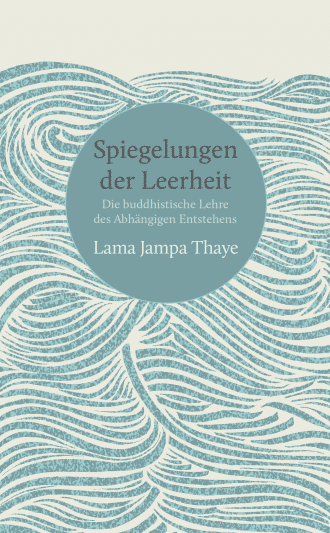
Spiegelungen der Leerheit
Das „Entstehen in Abhängigkeit“ ist der Schlüssel, um die Lehren des Buddha zu verstehen und unsere leidbringenden Emotionen in wahre Weisheit und in umfassendes Mitgefühl zu transformieren.


A Garland of Gold
A Garland of Gold is a history of the early masters of the great Kagyu tradition of Tibetan Buddhism, such as Saraha, Naropa, Marpa, Milarepa and their spiritual heirs.

River of Memory
Dharma Chronicles
The memories, dreams and reflections of a modern lama born in the West who became heir to the traditions of Tibetan Buddhism.
How do Buddha’s teachings answer the most profound questions of our existence? What makes his thinking unique amongst other systems of thought? The answer lies in his teachings on ‘dependent origination’, which hold the key to unlocking his doctrines of karma, rebirth, suffering, liber-ation and compassion. Patterns in Emptiness shows how understanding this core Buddhist teaching of ‘dependent origination’ can transform how we see the world and provide an antidote to the disordered thinking that leaves us in the grip of the disturbing emotions. Without understanding this essential teaching, our meditation practice is likely to lead only to greater confusion.
Related products

A Path of Practice
The Bodhi Path Program
Edited by Tina Draszczyk
A rare vision for Dharma practice from Tibetan Buddhist master Shamar Rinpoche, which has the power to lead modern- day practitioners toward the state of awakening.”

Full Illumination of the Path to Enlightenment
A Concise Commentary on Atiśa’s ‘Lamp of the Path to Enlightenment’

View and Meditation
Essential Teachings By Some of the Shamarpas
Translated and introduced by Tina Draszczyk
“Understanding the essence of mind is the first step to enter the path of meditation.”